







How Fierce Competition is Saving Gaming (and Giving You Better Games)
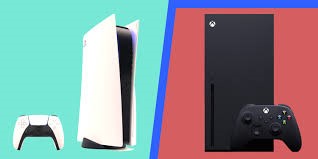
Remember the golden era of gaming consoles? Mid-2000s to late 2010s, when PlayStation and Xbox fans would go at each other like sworn rivals on internet forums. Those heated debates, the midnight launches, and the endless bragging rights weren’t just fun — they were great for business. Sales were through the roof. We were looking at new IP’s, franchises, DLCs, and expansion without the buggy mess.
Then things got… polite.
Mergers, streamlined production, and a shift toward services made everything more efficient. But strangely, the excitement along with the sales, dipped. The console war felt like it had gone quiet.
Now, it’s roaring back — and an Indian-origin leader at Xbox is playing a big role in reigniting the fire.
The Rise, Fall, and Revival of Console Rivalry
There was a time when the PlayStation vs Xbox battle was marketing gold. Both companies poured money into exclusives, flashy events, and direct jabs at each other. Gamers loved picking a side. That competition pushed innovation hard — better hardware, bigger games, and more aggressive pricing.
But after the Xbox One and PS4 generation, things changed. Microsoft leaned heavily into Game Pass and ecosystem play. Sony focused on its strong first-party titles. The rivalry softened. Efficiency went up, but the raw energy and urgency? Not so much.
Enter Asha Sharma, the new CEO of Microsoft Gaming (Xbox). Since taking over in early 2026, she has been unapologetically pushing for more aggressive marketing, bigger events, and a renewed competitive spirit. From high-energy showcases to community-focused moves, she’s reminding everyone that healthy rivalry isn’t just good for business — it’s good for gamers.
Why Competition Actually Works Wonders
History proves it again and again. When brands go head-to-head, consumers win big.
Look at Apple vs Samsung. Their constant one-upmanship on cameras, displays, and software features has given us some of the best smartphones ever made. Prices have become more competitive, and innovation happens at lightning speed.
Or the eternal Coke vs Pepsi battle. Decades of marketing wars led to better products, massive distribution networks, and cultural moments that kept both brands relevant. Without the rivalry, both might have become complacent.
The same pattern played out in consoles during the 2005–2010 peak. Intense competition forced Sony and Microsoft to deliver bigger, better experiences. Gamers got more choice, better value, and faster technological leaps.
When competition slows down, companies often play it safe. When it heats up, they go all out — because losing market share hurts.
What This Means for You
Competitive marketing directly benefits the end user in several ways:
- Better Products: Companies push harder on hardware and exclusives to stand out. We’re already seeing renewed focus on strong single-player games and performance.
- Faster Innovation: Pressure leads to quicker adoption of new tech — ray tracing, faster load times, cloud features, and more.
- Better Deals & Value: Price wars, bundles, and subscription improvements become common when rivals fight for every customer.
- Stronger Community: Rivalries create passion. Forums, events, and content creators thrive when there’s something to debate and celebrate.
Asha Sharma’s approach at Xbox — more events, bolder communication, and reigniting that competitive fire — is a timely reminder that rivalry isn’t toxic. Done right, it’s productive.
The Future Looks Competitive Again
The gaming industry is healthier when the big players are motivated to outdo each other. Healthy competition keeps everyone sharp, forces creativity, and ultimately delivers better experiences to players.
Whether you’re Team PlayStation, Team Xbox, or just here for great games — you should be rooting for the rivalry to stay alive. Because when these giants stop fighting for your attention, they also slow down on giving you reasons to stay excited.
The console wars are back. And gaming is better for it.