









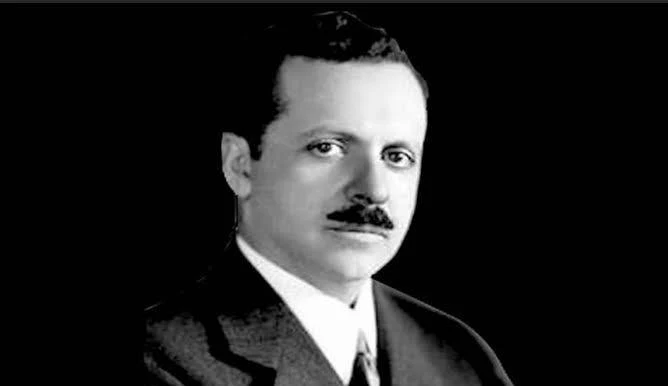
(And His Tricks We Still Use Today)
We like to believe we make our own choices. We scroll, click, and buy because we want to. But the truth is far more unsettling. Many of the tools shaping our desires today were invented over a century ago by one man who understood the human mind better than most marketers ever will.
His name was Edward Bernays — the nephew of Sigmund Freud and widely regarded as the father of modern public relations and consumer marketing. While most people have never heard of him, his ideas quietly control large parts of how brands speak to us in 2025.
Bernays didn’t just sell products. He sold ideas, lifestyles, and social approval. He turned propaganda into a respectable profession and proved that influencing the masses wasn’t about logic — it was about emotion, psychology, and invisible manipulation. Nearly a hundred years later, his playbook is still being used, often more effectively than ever.
The Man Who Engineered Consent
Born in 1891, Bernays began his career working on Broadway promotions before serving in Woodrow Wilson’s propaganda office during World War I. After the war, he took what he learned about mass persuasion and brought it into the corporate world. He famously rebranded “propaganda” as “public relations” because the former had become too negative.
Bernays believed people were not rational beings but creatures driven by unconscious desires. By tapping into those desires — and making people believe the ideas were their own — he could shape public behaviour on a massive scale. His most famous campaign? Convincing American women that smoking was a symbol of female liberation by organising the “Torches of Freedom” march in 1929. Cigarette sales to women exploded.
Here are six powerful Bernays-inspired techniques that still dominate modern marketing:
- Emotional Appeal Over Rational Facts Bernays understood that people buy feelings, not features. Today, brands rarely sell cars — they sell freedom, status, and adventure. Apple doesn’t sell phones; it sells creativity and belonging.
- Creating Desire Through Social Proof Bernays mastered the idea that people want what other people want. Modern versions include influencer marketing, user-generated content, and “bestseller” labels. When everyone seems to be buying something, the rest follow.
- Engineering Pseudo-Events Bernays loved staging events that looked like news. The “Torches of Freedom” march was a classic pseudo-event. Today we see this in viral product launches, influencer challenges, and brand-created “moments” designed purely to generate conversation.
- Using Authority Figures & Celebrities Instead of direct selling, Bernays used trusted figures to endorse ideas. This evolved into today’s influencer economy and celebrity brand partnerships. A single post from the right person can move markets faster than any traditional ad.
- Lifestyle Marketing & Cultural Engineering Bernays didn’t sell bacon — he sold the idea that bacon and eggs was the “proper” American breakfast (working with the pork industry). Modern brands do the same: they sell entire identities — the “clean girl aesthetic,” the “digital nomad lifestyle,” or the “quiet luxury” vibe.
- Invisible Influence & Framing Perhaps Bernays’ greatest skill was making manipulation feel natural. He shaped the very language and context around products. Today, algorithms and personalised content have taken this to terrifying new levels, feeding us information that quietly reinforces what brands want us to believe.
The Double-Edged Sword
Bernays’ methods built entire industries and transformed consumer culture. But they also raised serious ethical questions about manipulation, truth, and free will. In the age of social media and AI targeting, his techniques have become even more potent — and more dangerous.
The Enduring Legacy
Edward Bernays didn’t just teach brands how to sell products. He taught them how to shape culture itself. His greatest trick was making us believe our choices are entirely our own.
Next time you see a trend exploding, a lifestyle being sold, or an ad that somehow feels personally meant for you — remember the invisible hand that has been guiding consumer desire for over a century.
It still belongs to Edward Bernays.